


Clean Air Fund secures £10m from Wellcome to tackle black carbon

Howard Lake | 23 June 2026 | News

The Clean Air Fund has launched a multi-million-pound programme to reduce emissions of black carbon, backed by £10 million in funding from Wellcome.
The programme will drive research, policy and advocacy efforts to accelerate action on the super pollutant, which the charity describes as one of the most significant but overlooked threats to both human health and the climate.
Also known as soot, black carbon contributes to poor air quality and is linked to lung disease, heart disease and premature deaths. Emerging evidence also points to an increased risk of cancer and dementia, with impacts falling disproportionately on the most marginalised communities globally.
Advertisement

Super pollutants
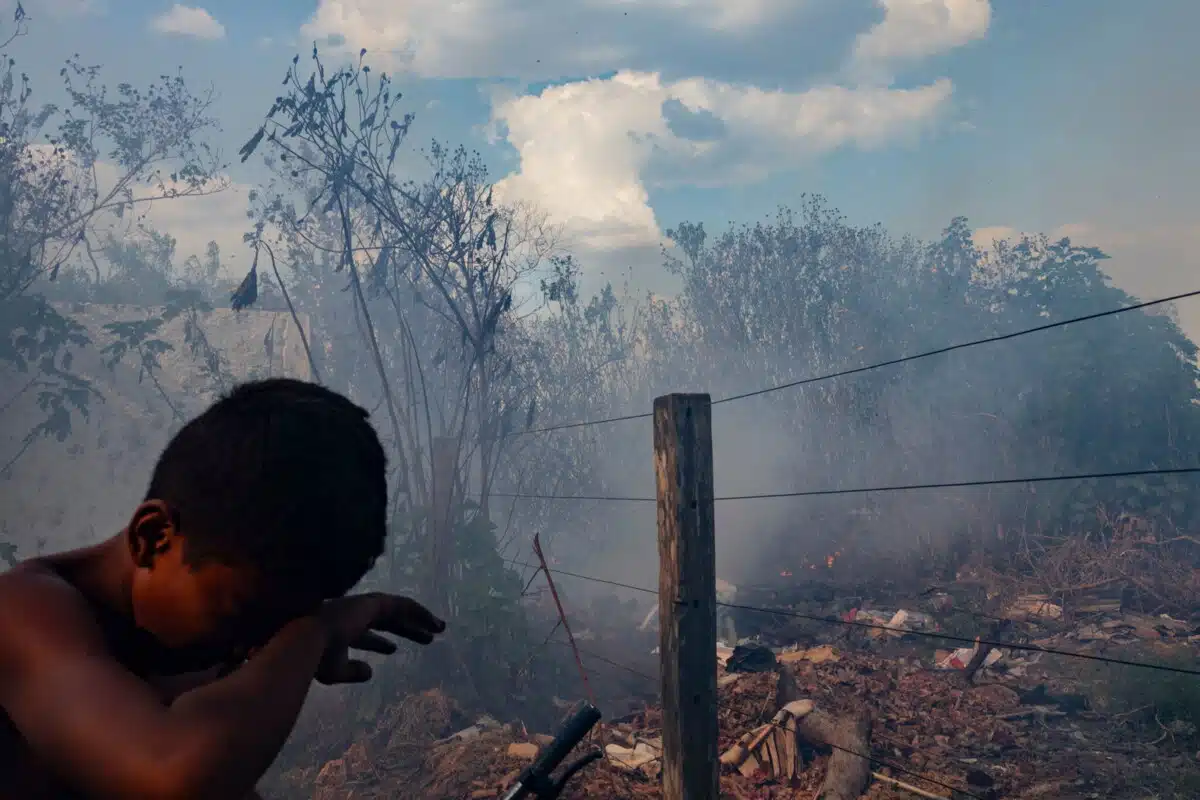
Alongside methane and tropospheric ozone, black carbon is one of a group of ‘super pollutants’ responsible for half of global warming to date. It accelerates the melting of glaciers and polar icecaps and disrupts regional weather systems including monsoons.
Because black carbon only remains in the atmosphere for a short time, reducing it is seen as an “emergency brake” on climate change, one capable of delivering “rapid benefits” for both health and the environment. Analysis suggests a 70% reduction in black carbon emissions is technically feasible by 2030 relative to 2010 levels.
The programme will focus on closing critical evidence gaps around black carbon’s health and climate impacts, with the aim of enabling more effective, data-driven policy and regulation. Clean Air Fund says it will prioritise communities most burdened by air pollution and least served by existing policies.
Jane Burston, CEO of Clean Air Fund, said:
“Reducing black carbon, alongside other super pollutants, is the fastest, most effective way to slow climate change, and reap huge benefits for people’s health. Thanks to Wellcome, this programme will provide the evidence for action where it’s most needed, in places where the impacts of air pollution are hitting hardest.”
Rachel Huxley, Head of Mitigation at Wellcome, added:
“Black carbon is a major but often overlooked driver of both ill health and climate change. This programme will help turn evidence into action, delivering rapid benefits where they are needed most.”
Clean Air Fund describes the investment as one of the first major philanthropic efforts to focus on the combined health and climate benefits of tackling black carbon.
- 'Water' Lot of Wasted Water says World Vision (6 August 2003)
- Goods diverted from landfill worth thousands to charities (1 March 2010)
- Now is the time for philanthropists to come together to tackle the emergency of our time (29 May 2019)




About Howard Lake
Howard Lake is consultant editor of UK Fundraising. He founded the site in 1994 and successfully sold it in 2022. As director of Giving X Ltd he is exploring growing giving on a massive scale.
He is the founder of Fundraising Camp and co-founder of GoodJobs.