


New Year Honours List highlights charity sector leaders

Howard Lake | 7 January 2026 | News
Charity leaders, fundraisers, philanthropists and volunteers feature strongly in HM The King’s New Year Honours Lists 2026, with hundreds of recipients recognised specifically for services to charity, philanthropy, volunteering and community support across the UK’s 1,157 awardees.
For charity CEOs and experienced fundraiser leaders these awards underscore the power of focused, outcomes-driven leadership.
This year’s lists underline a continuing trend of honouring “community champions” and grassroots leaders alongside major donors and national‑profile charity figures.
Advertisement

Headline charity and philanthropy figures
Several high‑profile leaders and philanthropists with substantial charitable portfolios are recognised at the highest levels of the honours system. Their awards reflect both long‑term governance roles in major institutions and personal giving or public advocacy.
- Businessman and philanthropist Fergus McCann is honoured for services to the economy and to charity, recognising sustained philanthropic support alongside his commercial career.
- Former Tottenham Hotspur chair Daniel Levy receives a CBE for his charitable contributions and work in the community in Tottenham, highlighting how club‑linked philanthropy and regeneration efforts are now clearly in scope for national recognition.
- Idris Elba is knighted in part for his work with young people through anti‑knife crime and youth initiatives, including the Elba Hope Foundation, showing how celebrity advocacy tied to targeted charitable programmes can be a pathway to high awards.
- Within the Jewish community, Neil Martin, chief executive of Jewish Lads’ and Girls’ Brigade, is recognised for his work with young people, interfaith relations and Holocaust remembrance, reflecting the prominence of faith‑based youth and remembrance charities in this year’s list.
Charity CEOs, founders and trustees
The lists continue to reward long‑serving charity chief executives, founders and senior trustees, particularly where organisations address health inequality, disability, children and youth, homelessness and violence against women. In many cases the citation explicitly references both leadership and sectoral impact.
- Janet Fischer, Chief Executive of the national charity Live Music Now, has been awarded an MBE for her outstanding contribution to music, communities, and social impact. She has successfully positioned Live Music Now at the intersection of arts and social change, championing the role of music in improving life outcomes within schools, healthcare, and local communities.

Janet Fischer. Photo: Mariangela Quiroga Cantillo
Under her direction, the organisation’s 300 professional musicians reach over 65,000 people annually, delivering meaningful, high-quality live music experiences to vulnerable groups, including children, young people, older people, and those experiencing disadvantage.
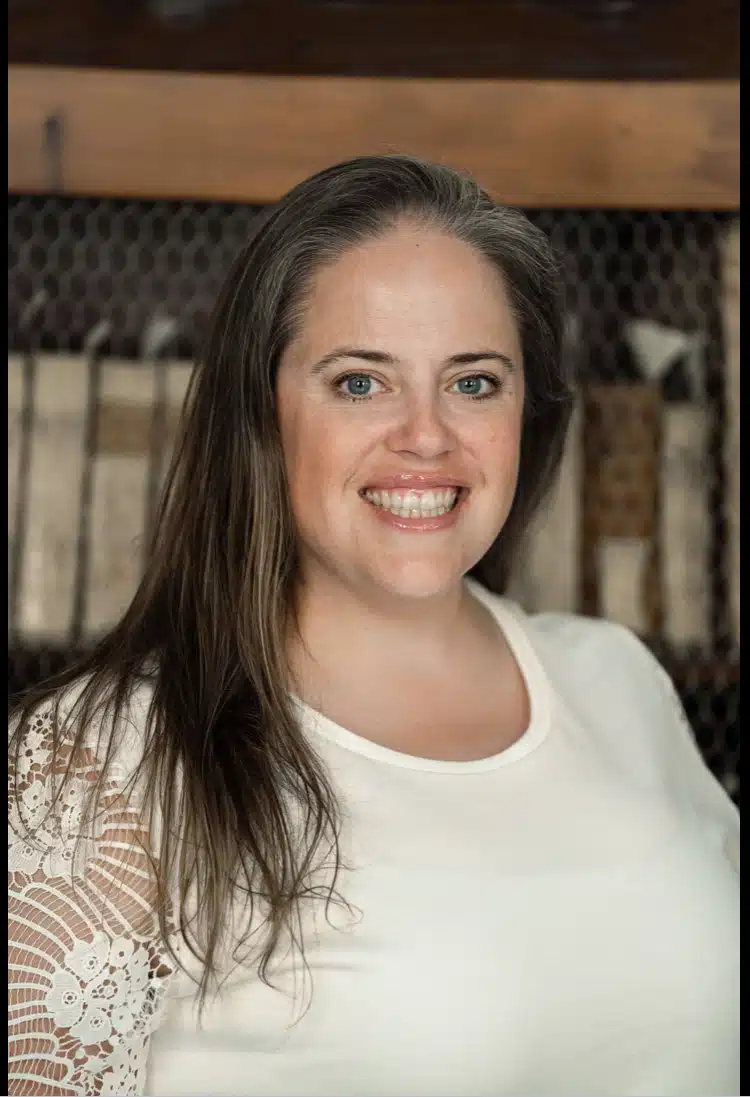
- Carla Cressy, founder and CEO of The Endometriosis Foundation, is recognised for services to charity and women’s health, underlining the growing visibility of lived‑experience founders in reproductive health charities.
- Wendy Tapping, CEO of Hands on Payroll Giving, has been awarded an OBE for her services to fundraising. This recognition comes after more than 30 years of dedication to Payroll Giving, during which Wendy has helped over 200,000 employees donate more than £82 million to causes they care about.
- David Cutler, director of the Baring Foundation, receives an honour for services to charity, reflecting the influence of independent foundations in funding civil society, arts and human rights work.
- Dr Alexander Rhys has been appointed an OBE for his dual service to both healthcare and the LGBTQ+ community. His recognition highlights the value of leaders who can simultaneously command highly specialised professional fields while driving large-scale, high-impact social movements. As a dual CEO, he leads the Infection Prevention Society, a professional membership body for practitioners across the UK, and is the founder of It Gets Better UK.Dr Alex Rhys OBE
Rhys launched It Gets Better UK in 2017, and through its work, the organisation has reached over 2.5 million LGBTQ+ young people. His ability to scale a grassroots initiative to a national platform that impacts millions, alongside managing a critical professional body in healthcare, demonstrates an exceptional capacity for strategic management and influence. This dual recognition in the Honours list serves as a powerful case study for the sector on how to maximise impact by applying strong leadership principles across diverse social and professional arenas.
- Michael Cooper, founder and director of Waste to Wonder Network, is honoured for services to charity and sustainability, illustrating how charitable redistribution and circular‑economy models are gaining recognition.
- Alan A Craig has been awarded an MBE having raised over £500,000 for CHAS through the Springfield Cambridge Festival Chorus and Orchestra’s annual Christmas concerts, inspiring communities across Scotland through the power of music.
- Dr Deirdre McCormick, NHS Chief Nurse and CHAS trustee, is honoured with an MBE for 44 years of service protecting babies, children, young people and adults at risk.
- John Spiers, CEO of The EQ Foundation and chair of EQ Investors, is recognised for services to business and charity, showing the continued crossover between impact‑driven finance and philanthropic grantmaking.
- Dr D Rama Krishna Reddy, director of Homeless Housing, is honoured for services to homeless people in Preston, emblematic of multiple grassroots homelessness and housing leaders on this year’s lists.
- Among women leaders, Helen Cooke, founder and CEO of disability‑employment organisation MyPlus, is recognised for services to special educational needs and disabilities, underscoring a strong disability‑inclusion theme.
 Dr Alex Rhys OBE
Community fundraisers, volunteers and local champions
Many awards celebrate “community champions” whose primary contribution is unpaid fundraising, local organising or long‑term volunteering rather than formal leadership roles. These include carers, bereavement advocates, specialist health volunteers and local campaigners.
- UK government communications highlight recipients who have raised funds for local hospices, cancer services and children’s causes, including individuals who have turned personal loss into sustained charitable fundraising efforts.
- Regional media coverage points to awards for carers and grassroots fundraisers such as Emma Rule, honoured for her cancer fundraising work, showing the importance of storytelling and patient‑led initiatives in this year’s community list.
- Diversity‑focused philanthropy is visible in the recognition of Patricia Keiko Hamzahee, co‑founder of Black Funding Network, GiveBlack and Extend Ventures, cited for services to philanthropy, the arts and impact investment.
- Serena Wiebe has been recognised with a British Empire Medal (BEM) for her services to young people, specifically her work in East Bristol and as a mentor at Empire Fighting Chance. Wiebe’s award is a testament to the power of youth leadership and its direct influence on national strategy and community safety. Her work is a prime example of high-impact community engagement that provides crucial, early intervention and life-changing mentorship.
As a member of the Youth Advisory Group, Wiebe played a key role in informing a landmark National Youth Strategy, the first in 15 years, demonstrating how young voices can shape high-level government policy. Furthermore, her involvement—from inspiring young boxers to attending the first annual Knife Crime Summit at 10 Downing Street—showcases the tangible results of investing in youth and listening to their lived experiences.
Culture Secretary Lisa Nandy said:
“Huge congratulations to Serena Wiebe on her thoroughly deserved medallists of the order of the british empire for services to Young People. As a member of the Youth Advisory Group, she helped inform a landmark National Youth Strategy, the first in 15 years.
“From inspiring the next generation of boxers to attending the first annual Knife Crime Summit at 10 Downing Street, Serena shows what’s possible when we invest in young people and listen to their voices. Delighted to see her work recognised.”
- Several founders of small specialist charities – including organisations supporting people with life‑shortening conditions, stroke rehabilitation and domestic abuse survivors – are recognised with MBEs and OBEs, often after decades of low‑profile voluntary leadership.
Donors, grant‑makers and charitable funding innovators
A distinctive strand in the 2026 lists is the number of honourees whose primary contribution is as funders, donors or architects of new giving vehicles. This sits alongside traditional recognition for large, long‑established foundations.
- Philanthropists Caroline Butt and Stephen Butt, co‑founders and CEOs of the Calleva Foundation, are honoured for services to philanthropy, signalling the system’s interest in relatively new, high‑engagement foundations.
- Humphrey Battcock is recognised for his philanthropy with the Centre for Homelessness Impact, reflecting evidence‑led funding approaches to homelessness.
- Patricia Hamzahee’s citation explicitly references impact investment, suggesting that blended‑finance and mission‑aligned investing are now firmly part of the honours narrative around charitable funding.
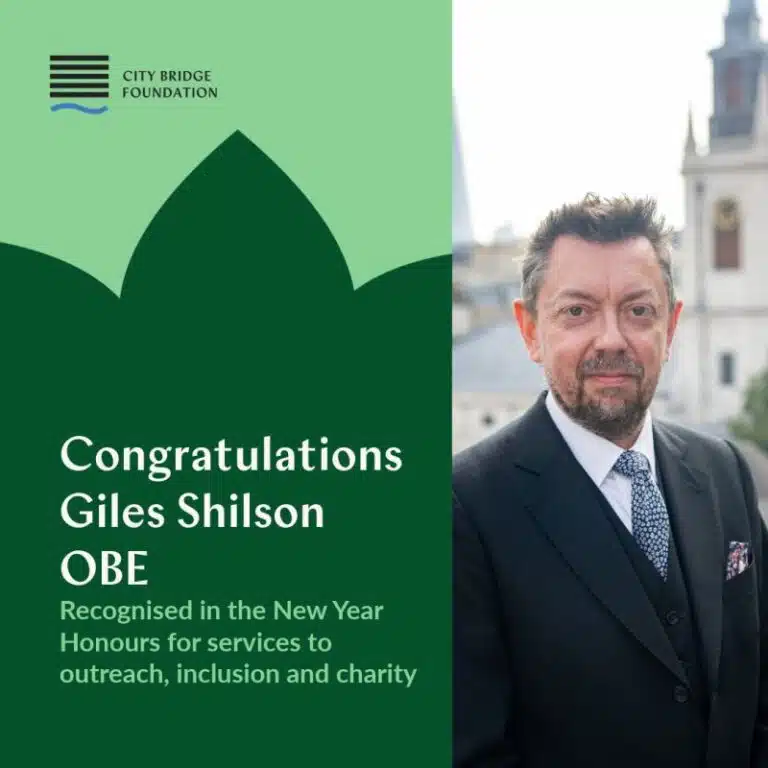
- The former chair of London’s biggest independent charity funder is one of two elected members of the City of London Corporation recognised in the King’s New Year Honours. Giles Shilson, who chaired City Bridge Foundation for three and a half years from 2021 to 2024, has been awarded an OBE for services to outreach and inclusion and to charity. Giles Shilson
He led the 900-year-old charity, of which the City Corporation is sole trustee, through the aftermath of the pandemic and oversaw major changes to its governance which brought together its duties as a bridge owner and charity funder.
Dr Shilson also served for three years as chair of the Barbican Centre Board and as chair of governors of the City of London School. In all those roles, he championed a more inclusive approach, particularly with regard to neurodivergent people. - Another elected member of the City of London Corporation also received an honour. Peter Dunphy, currently chair of the City Corporation’s Port Health and Environmental Services Committee, has been awarded an MBE for services to amenity conservation and to volunteering.Peter Dunphy
Mr Dunphy contributed towards securing asset of community value status for City venues including The Tipperary, reputedly London’s oldest Irish pub, safeguarding its future as a Fleet Street hostelry.
He also spent over a decade as trustee and two years as deputy governor of The Honourable The Irish Society, a grant-giving charity connected to the City Corporation which supports cross-community initiatives in and around County Londonderry.
- Several recipients are cited for “charitable and public service” in dual roles, such as former regulators and business leaders who have chaired charity boards or steered major fundraising campaigns alongside primary careers.
 Giles Shilson
 Peter Dunphy
Rejecting the honours
Not all those who are successfully nominated for awards choose to accept them. Many have rejected them for a variety of reasons, include the use of award terms which reflect the era of British imperialism.
This year Tressa Burke, chief executive of the Glasgow Disability Alliance, who was due to be recognised by the prime minister for her services to people with disabilities, turned down the award. She told BBC Radio Scotland Breakfast that it came at a “very grim” time for disabled people in Glasgow. She explained that there were “frightened to put their heating on, to pay their bills, basically feeling that they are under attack from the UK government”.
She added: “I just felt I could not accept a personal honour because disabled people were being so dishonoured in society at this time with the political choices that are being made.”
Numbers, demographics and trends
Across all sectors, the 2026 New Year Honours Lists recognise 1,157 recipients, broadly in line with recent years. While full gender and age breakdowns have not yet been published in a single consolidated official dataset, available government and media briefings point to several clear patterns.
- Scale of charity‑linked awards
- A substantial minority of the 1,157 recipients are cited wholly or partly “for services to charity”, “to philanthropy”, “to volunteering” or “to the community”, spanning everything from high awards to BEMs.
- Within that group, there is a wide spread across health, youth, homelessness, sports‑related giving, faith‑based work and arts charities, with no single theme dominating.
- A substantial minority of the 1,157 recipients are cited wholly or partly “for services to charity”, “to philanthropy”, “to volunteering” or “to the community”, spanning everything from high awards to BEMs.
- Gender balance
- Education‑ and community‑focused briefings emphasise that women make up a significant share of recipients in people‑ and care‑focused categories, including social care, early years, domestic abuse, and community volunteering.
- Senior philanthropic and grant‑making roles are more evenly split, with both male and female foundation leaders and major donors recognised, though detailed percentages have not yet been formally disclosed.
- Education‑ and community‑focused briefings emphasise that women make up a significant share of recipients in people‑ and care‑focused categories, including social care, early years, domestic abuse, and community volunteering.
- Youngest, oldest and regional spread
- Honours coverage highlights a broad age range among “community champions”, including younger founders of social enterprises and digital‑age nonprofits, alongside older volunteers recognised for 30 or 40 years of service.
- Scottish recipients account for around 9% of the total list, reflecting efforts to ensure all nations and regions are represented; similar patterns are reported for other parts of the UK.
- Honours coverage highlights a broad age range among “community champions”, including younger founders of social enterprises and digital‑age nonprofits, alongside older volunteers recognised for 30 or 40 years of service.
- Sectoral emphasis: arts vs charity
- Music and arts coverage notes that the awards span arts, science, community work and charity, with a particularly visible cluster of musicians, actors and cultural leaders alongside community and charity figures.
- While arts and culture produce many of the most high‑profile names, the number of mid‑ and lower‑level awards for charity, volunteering and community work is substantial, indicating that charitable service remains one of the largest single grounds for recognition.
- Music and arts coverage notes that the awards span arts, science, community work and charity, with a particularly visible cluster of musicians, actors and cultural leaders alongside community and charity figures.
- Emerging themes
- Strong threads this year include: violence against women and girls, inclusion and diversity, homelessness prevention, youth opportunity, disability rights and mental health, often delivered through small or medium‑sized charities.
- Impact‑linked philanthropy, social investment, and business–charity partnerships feature more explicitly in citations than in many previous years, suggesting a shift towards recognising strategic funding and system‑level change as well as frontline delivery.
- Strong threads this year include: violence against women and girls, inclusion and diversity, homelessness prevention, youth opportunity, disability rights and mental health, often delivered through small or medium‑sized charities.
For charity‑sector leaders, the 2026 New Year Honours underline that national recognition is increasingly focused on long‑term commitment, lived‑experience leadership and innovative funding models, as much as on positional status or organisation size.
- Explore the full 2026 New Year Honours List published by the Cabinet Office
- Consider nominating someone for an honour or award because of their achievements in public life and/or for committing themselves to serving and helping Britain
- New Year tales of woe (7 January 2008)
- Fundraisers, philanthropists & charity leaders recognised in New Year honours list (3 January 2018)
- Fundraisers & volunteers recognised in New Year’s Honours List (3 January 2019)

About Howard Lake
Howard Lake is consultant editor of UK Fundraising. He founded the site in 1994 and successfully sold it in 2022. As director of Giving X Ltd he is exploring growing giving on a massive scale.
He is the founder of Fundraising Camp and co-founder of GoodJobs.